Package of Practice for Cultivation of Beans (Pole)
Pole beans are high-performing, vigorous climbers that are an excellent choice for gardeners looking to maximize yields in smaller footprints. These vining plants require vertical support structures—such as trellises, poles, or tepees—to thrive and reach their full potential. To ensure a successful harvest, provide them with nutrient-rich, well-draining soil and a consistent, sunny environment. Key management practices include maintaining steady soil moisture, especially during the critical flowering and pod-set stages, and implementing a regular harvest schedule to encourage continuous production.
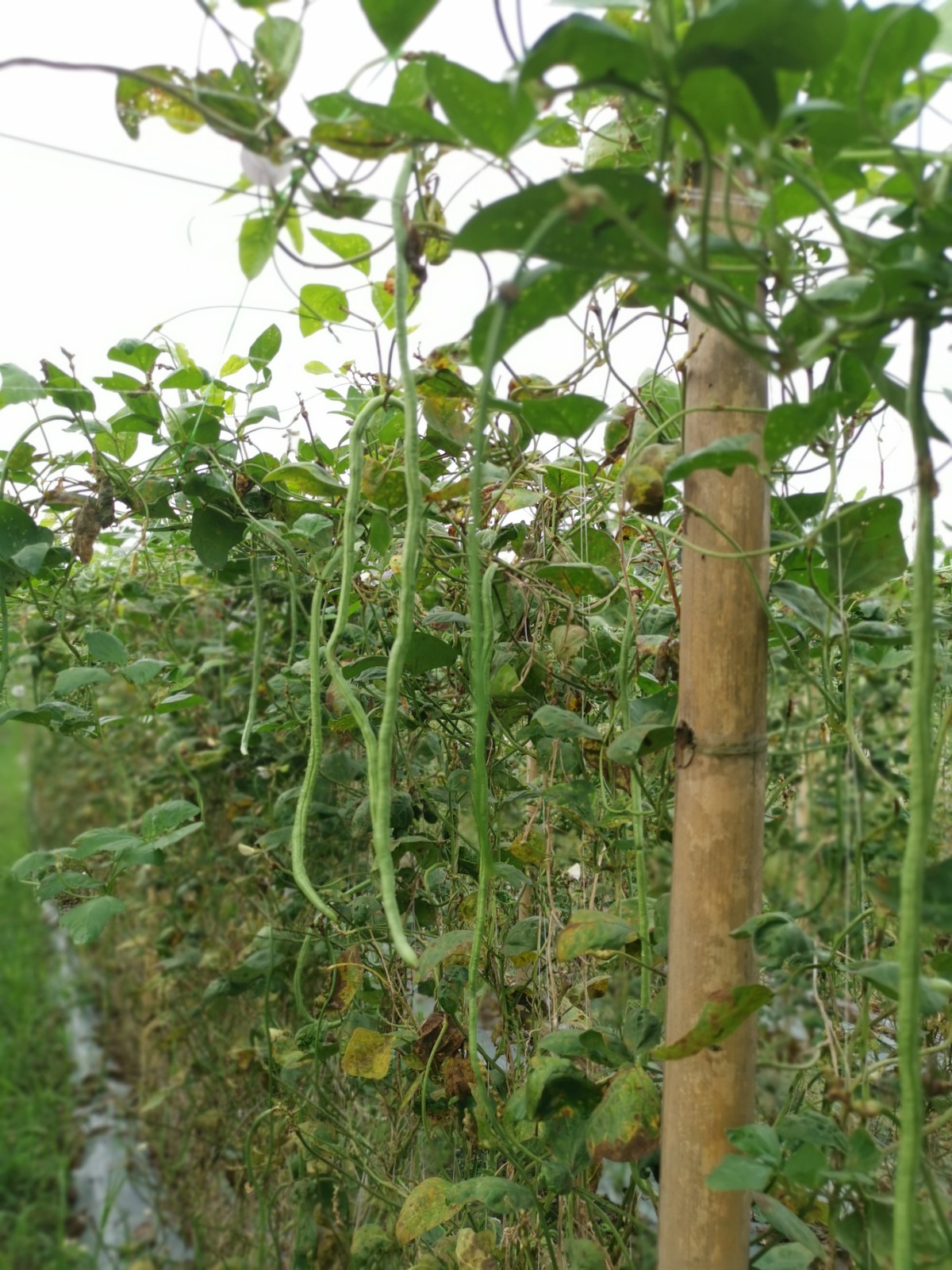
Growing light green pole beans requires sturdy trellises, rich, well-draining soil, and proper watering. To get the best yield, maintain a row spacing of 75-90 cm, use a seed rate of 12-15 kg per acre, and harvest after 70-80 days.
A comprehensive package of practices for light green pole beans includes:
1. Climate and Soil
- Temperature: Mild climates with temperatures between 18°C and 25°C are optimal. Extremely hot weather or frost can severely damage the crop.
- Soil: Well-drained sandy loam or clay loam soils rich in organic matter are ideal. The optimal soil pH is between 6.0 and 7.5.
2. Sowing Time and Seed Rate
- Sowing Season: In plains, sow seeds from July–August (kharif) or January–February (spring/summer). In hilly regions, March to May is best.
- Seed Rate: Requires about 12 to 15 kg per acre (30 kg per hectare).
- Spacing: Space rows 75 to 90 cm apart, and space individual seeds or "hills" 30 to 45 cm apart within the row.
3. Land Preparation and Manuring
- Land Preparation: Plough the field 2-3 times to achieve a fine, weed-free tilth. Incorporate 20–25 tonnes of Farmyard Manure (FYM) per hectare into the soil before sowing.
- Fertilizers: Provide a basal dose of Nitrogen (25 kg/ha), Phosphorus (60 kg/ha), and Potassium (50 kg/ha). Apply remaining Nitrogen (about 25 kg/ha) as a top dressing 25-30 days after sowing.
4. Trellising (Support System)
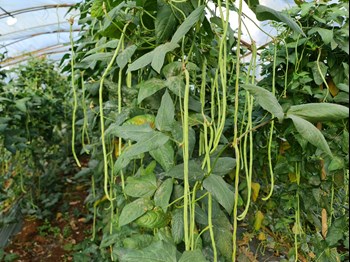
- Pole beans produce climbing vines that can reach lengths of 1.5 to 2+ meters.
- Erect trellises or individual stakes (1.5 to 2 meters high) before the plants begin to vine. This prevents the vines from tangling, improves air circulation, and makes harvesting easier.
5. Irrigation and Weed Control
- Irrigation: The first irrigation should be applied immediately after sowing. Subsequent watering every 7-10 days is typically needed. Keep the soil moist, particularly during the critical flowering and pod-filling stages.
- Weeding: Perform shallow hoeing twice (around 4 weeks and 7 weeks post-sowing) to remove weeds without disturbing the shallow root system.
6. Pest and Disease Management
- Pest Control: Watch for aphids or pod borers. They can be controlled by applying a recommended systemic insecticide or Malathion (0.05% - 0.1%).
- Disease Control: Treat seeds with fungicides (such as copper fungicides) before sowing to prevent fungal wilt. Practice a 2-year crop rotation in disease-prone areas to prevent build-up.
7. Harvesting
- Pole beans are usually ready to harvest 70 to 80 days after sowing.
- Pick the pods when they are well-filled but before the seeds bulge and the pod gets tough. Frequent harvesting (every 1-2 days) promotes continued flowering and a higher overall yield